
Promo code
- Bonus
- 100 free spins
- Wagering
- 25x
- Slot
- Cybergirls
- Max cashout
- not published
Not for players from: Poland, Hungary, Germany, Czech Republic


Method
A promo code is a claim until the registration form accepts it, so that is where we check it. Every code on this site was typed into the casino's own form by a scripted browser from a clean profile, the form's response was recorded, and a screenshot of the promo field with the code in it was saved with the date. This page sets out the method step by step, what passes and what fails, how often it runs, and shows the screenshots for the codes that have them.
The scripted browser, Playwright driving Chromium, starts with no cookies, no stored session and no previous visit, from a connection in a country the brand accepts. A code that only works for returning visitors, or only from a partner's link, fails this step by design.
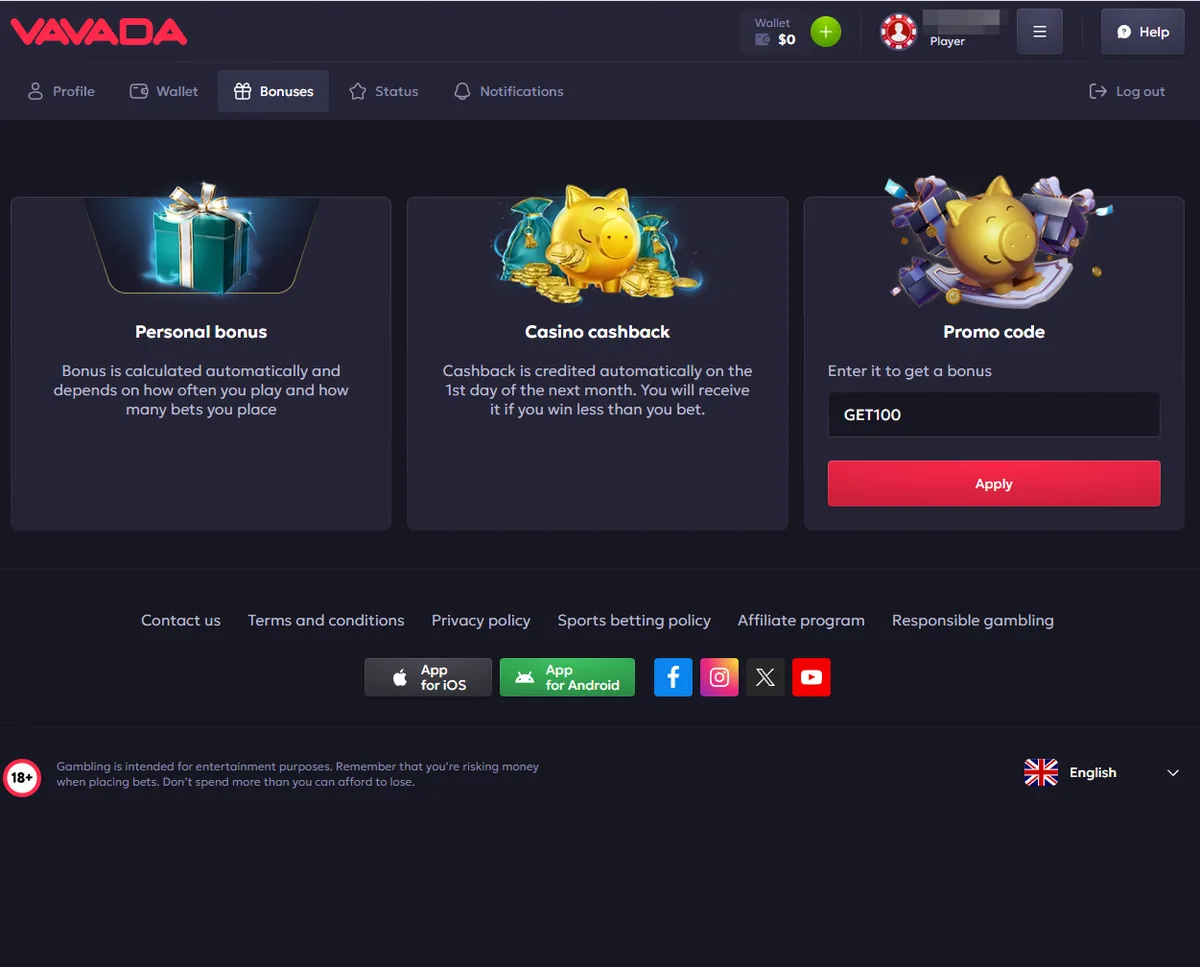
The script opens the brand's registration page, finds the promo code field, opens the "I have a promo code" link where the field is folded behind one, and records whether the field exists and where it is. A brand whose code goes in the profile after registration, as at Vavada, is checked there, in a registered account, and the card says so.
The script types the code as printed on the card and waits for the form to respond: a tick, the offer's name, a message, or nothing. The response is recorded as text.
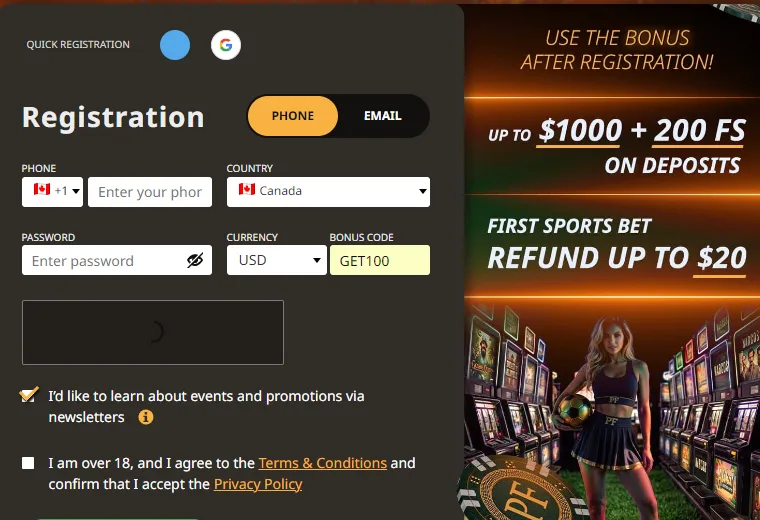
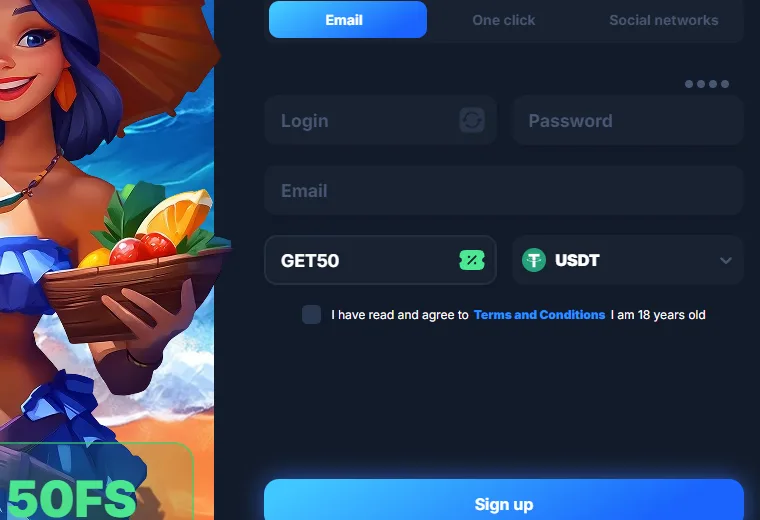
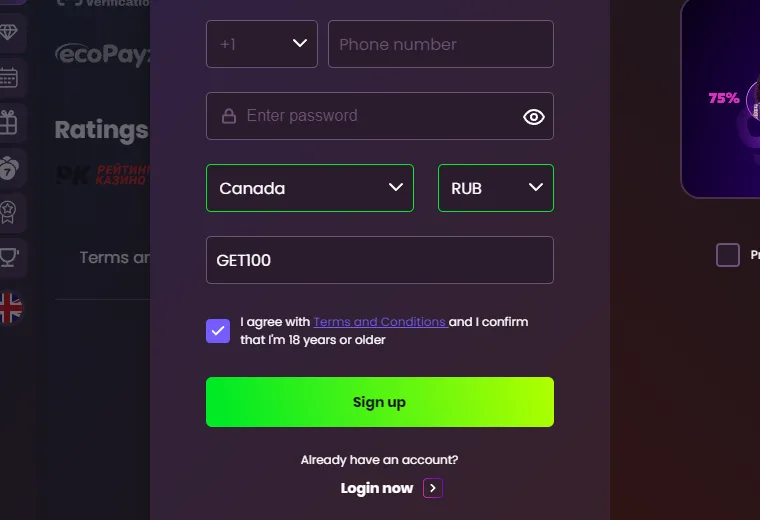
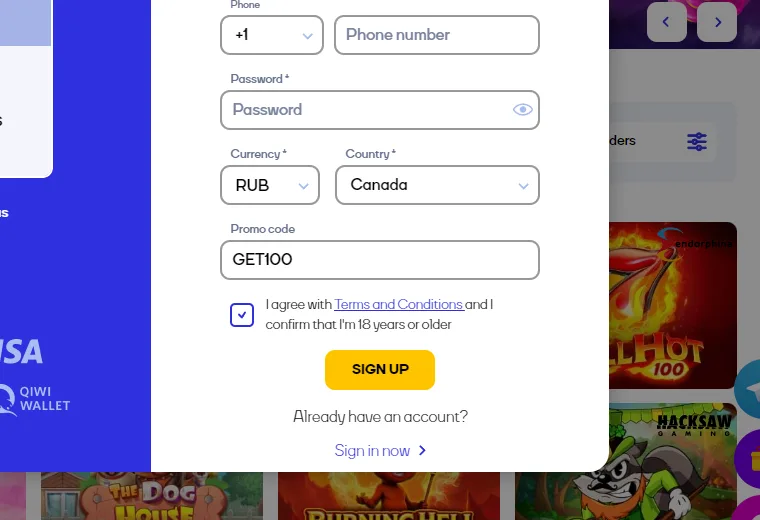
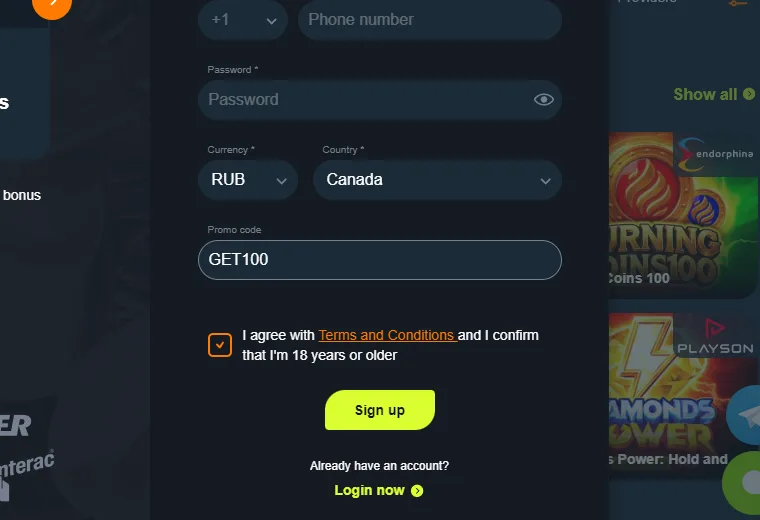
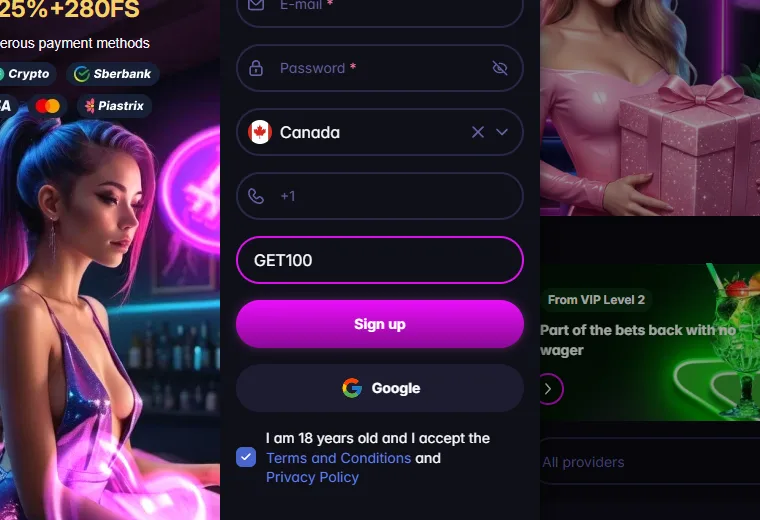
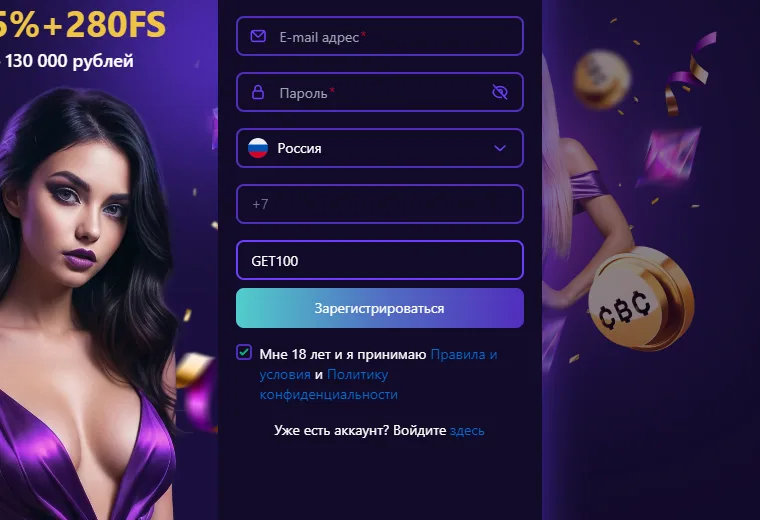
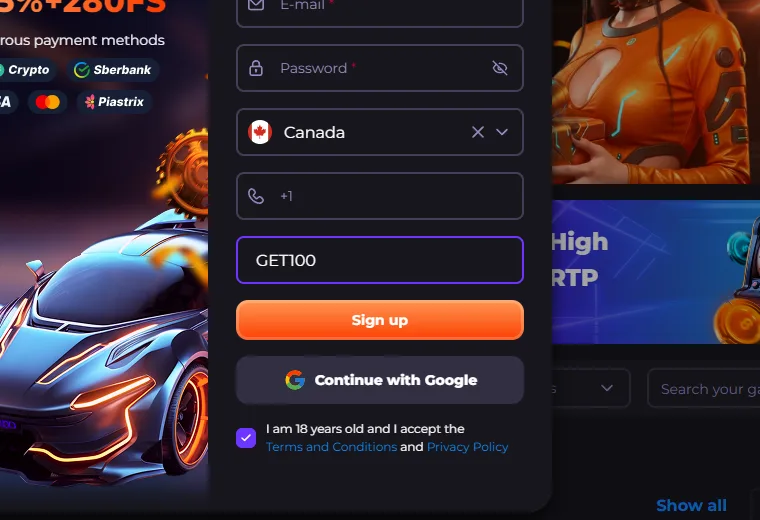
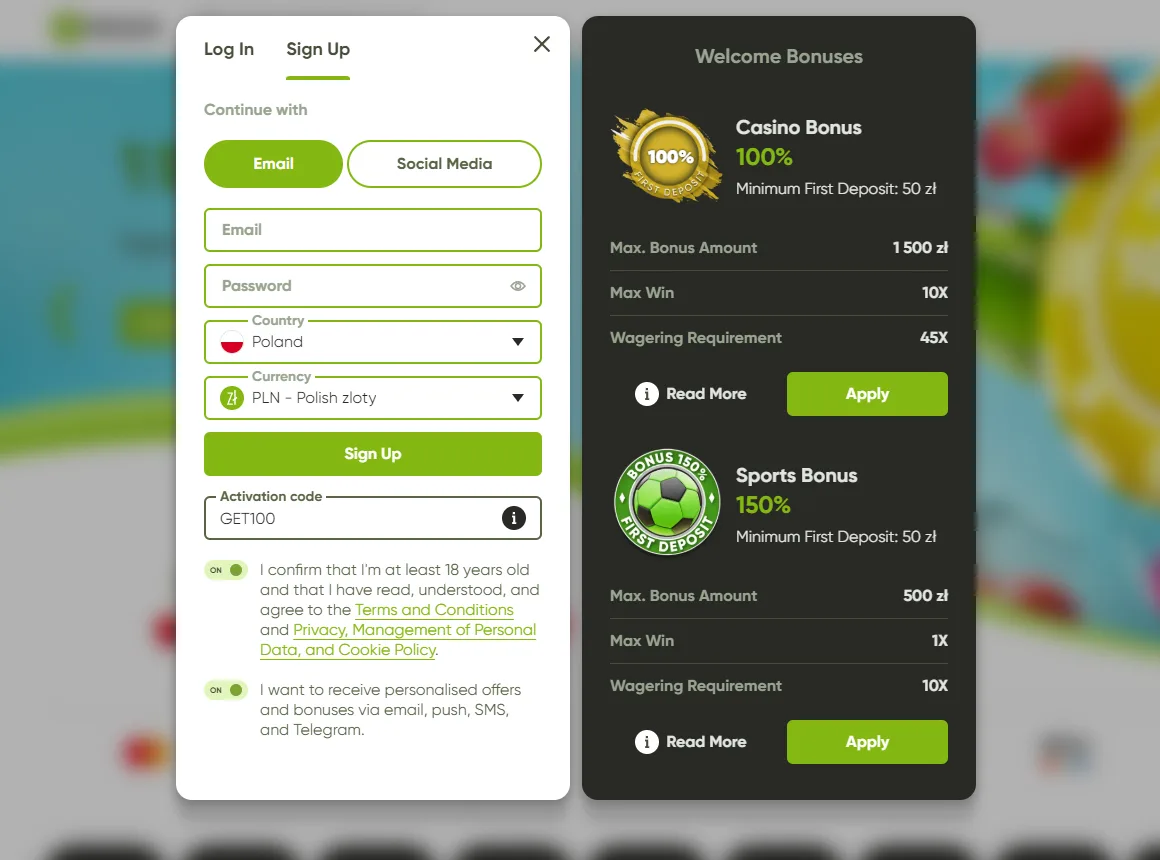
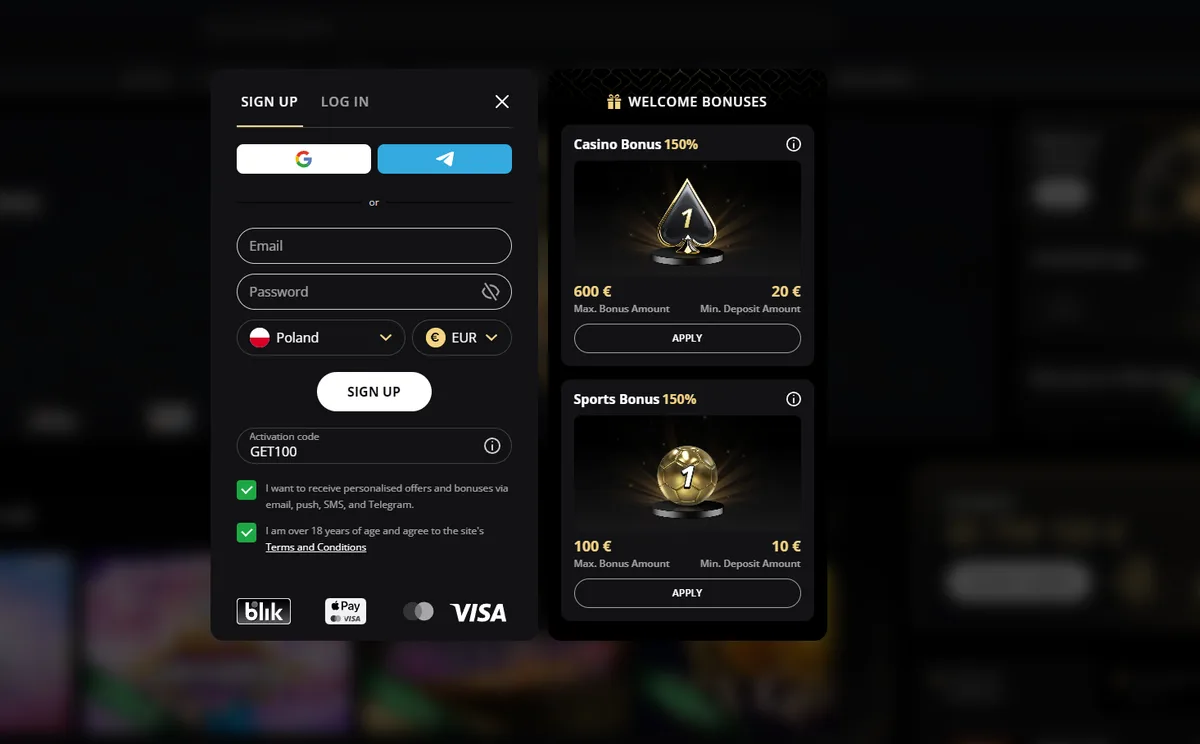
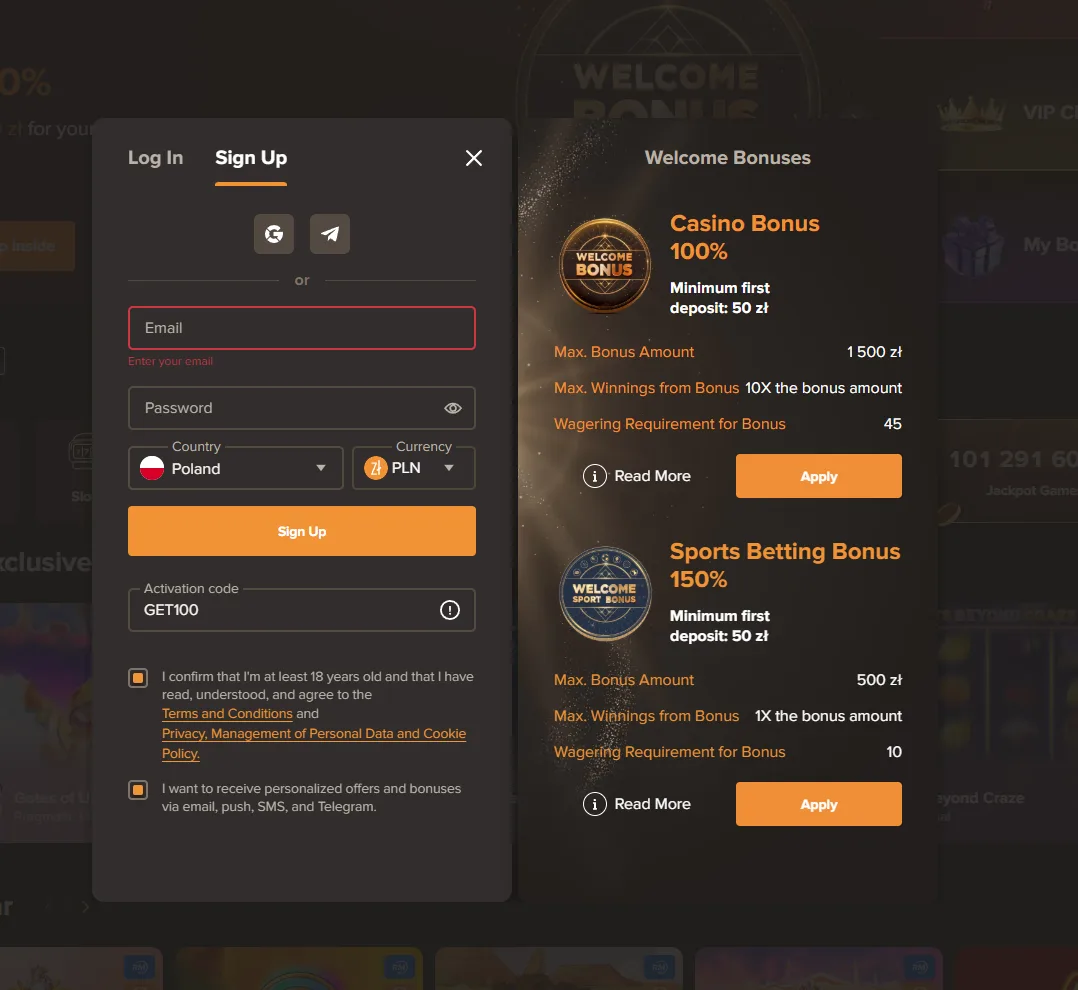
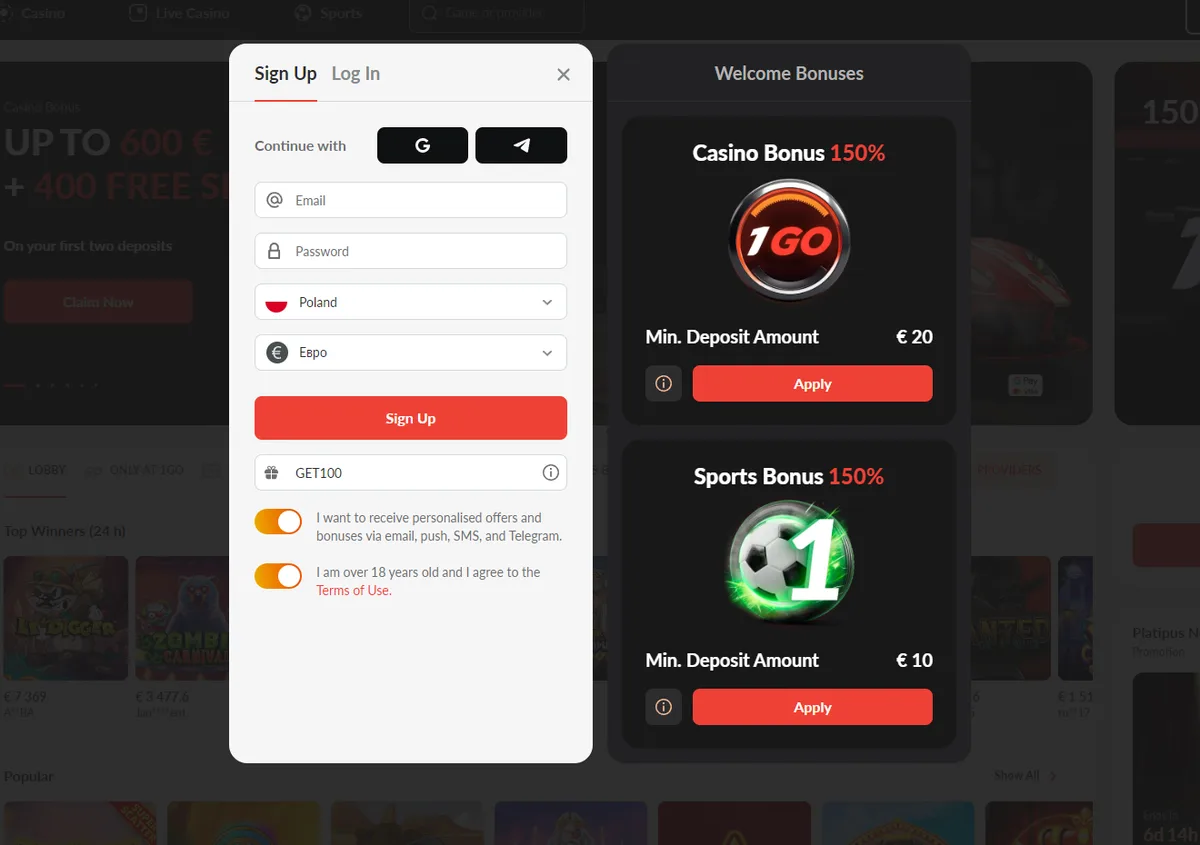
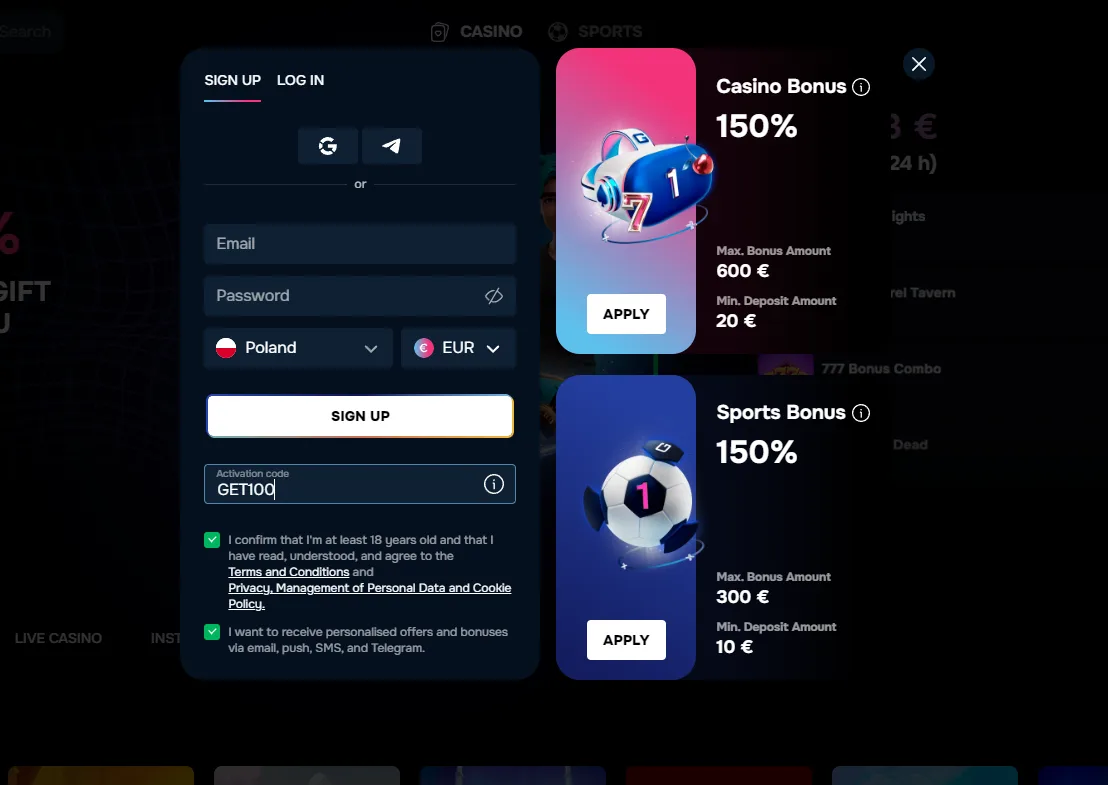
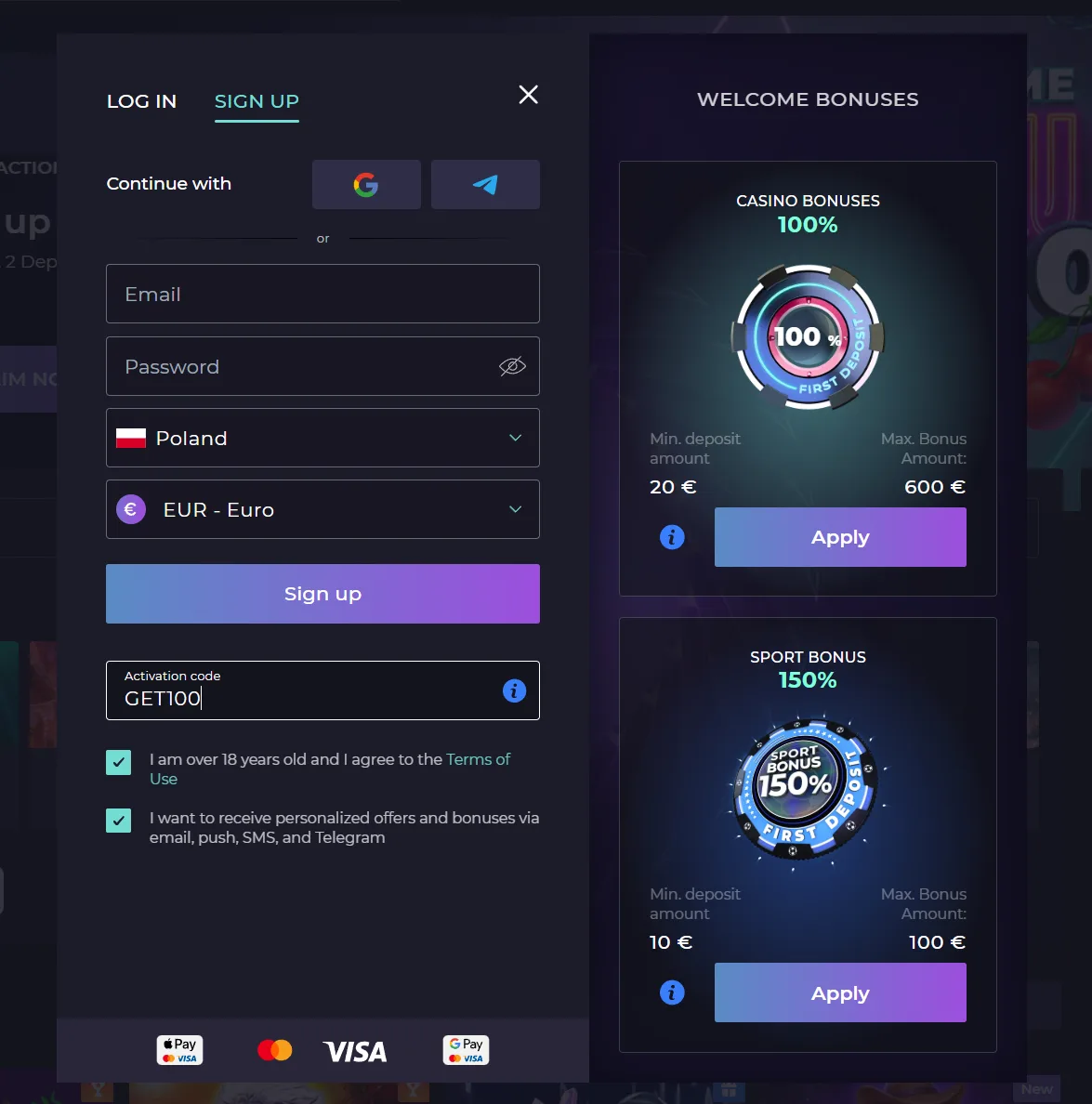
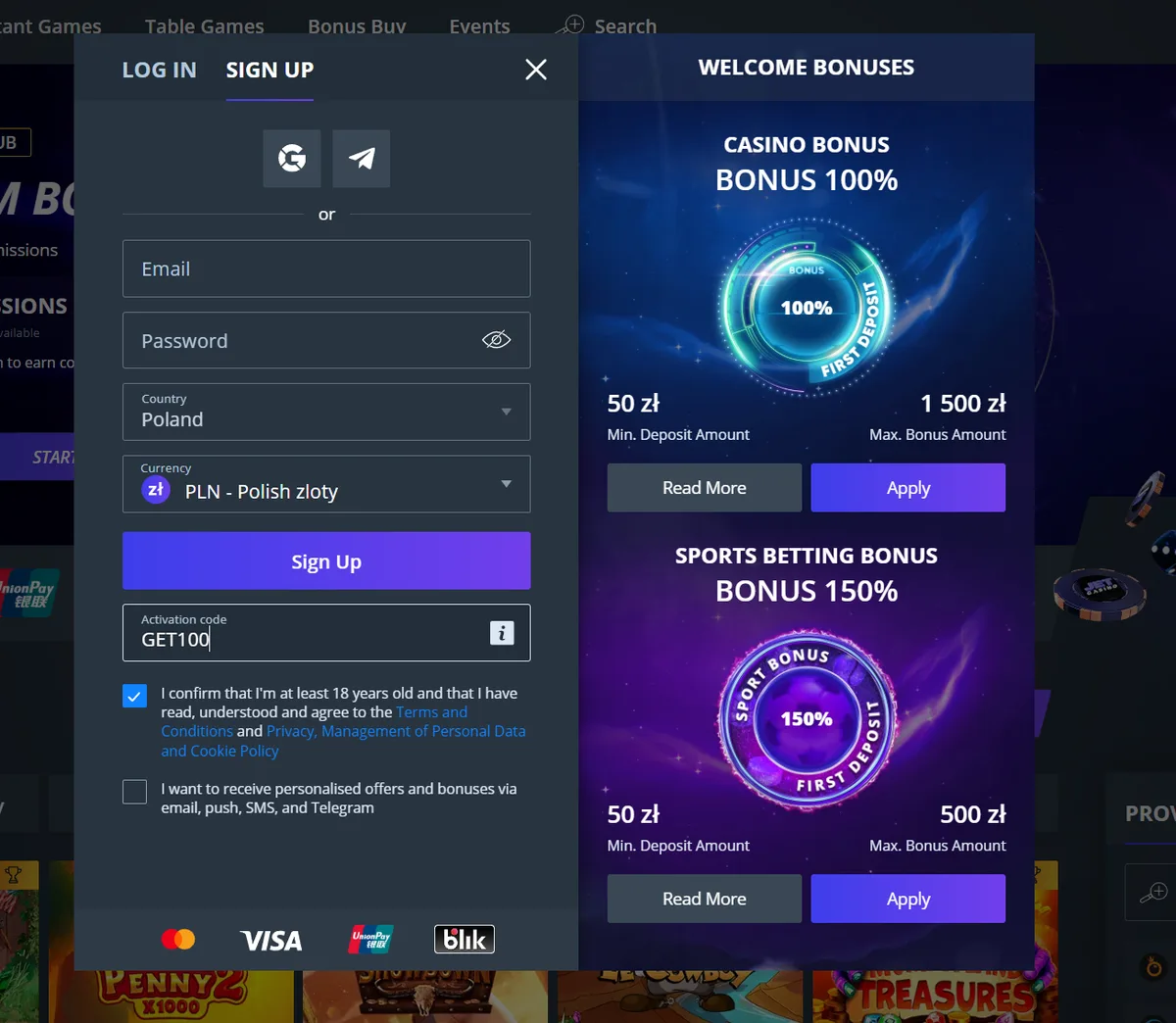
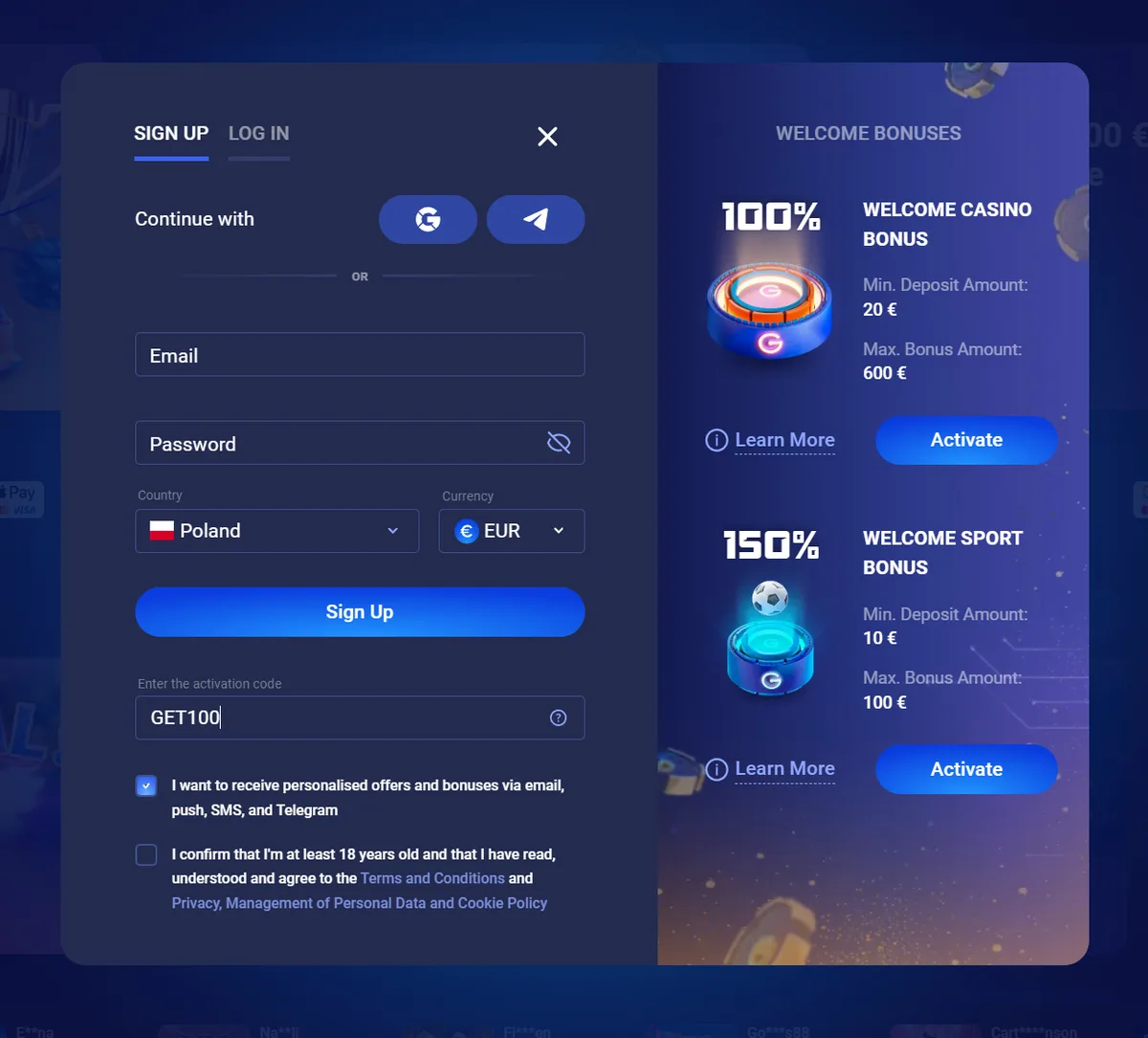
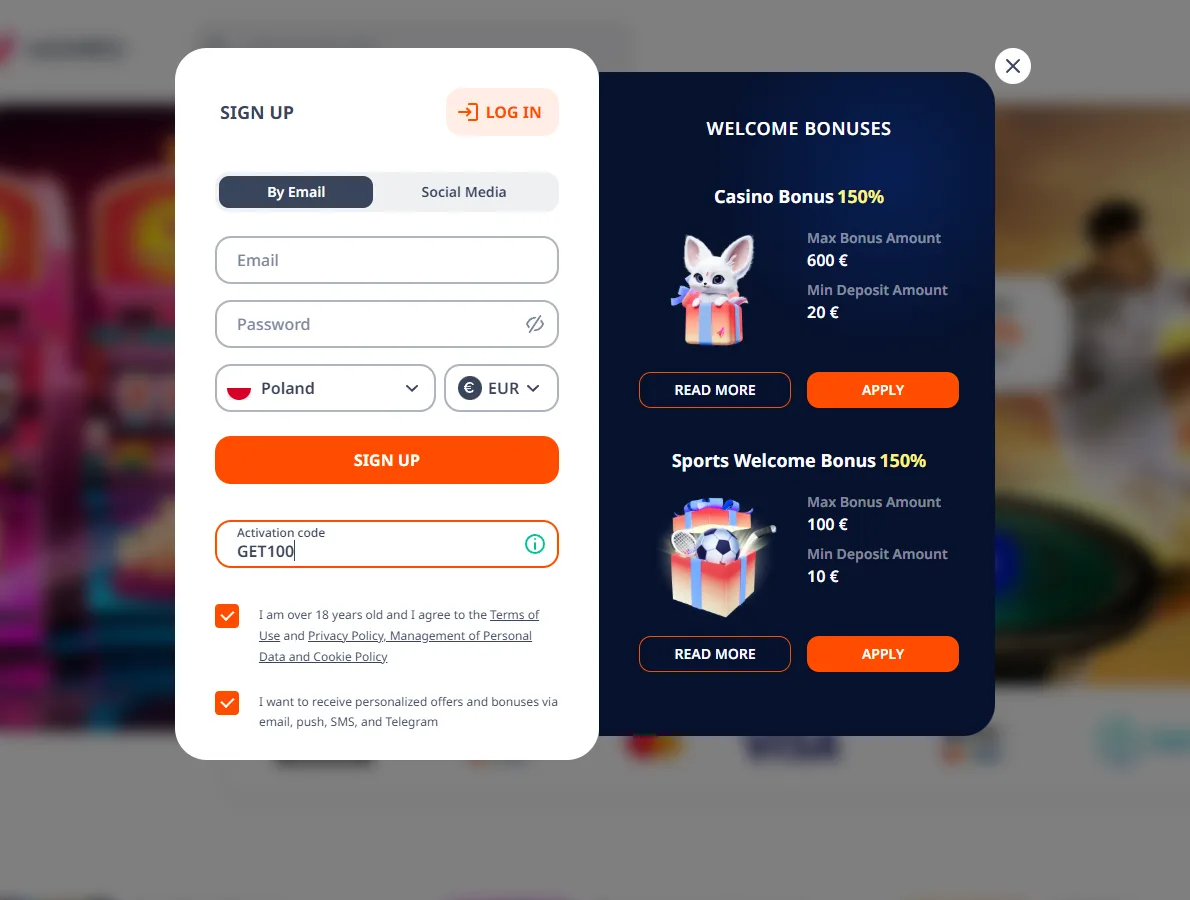
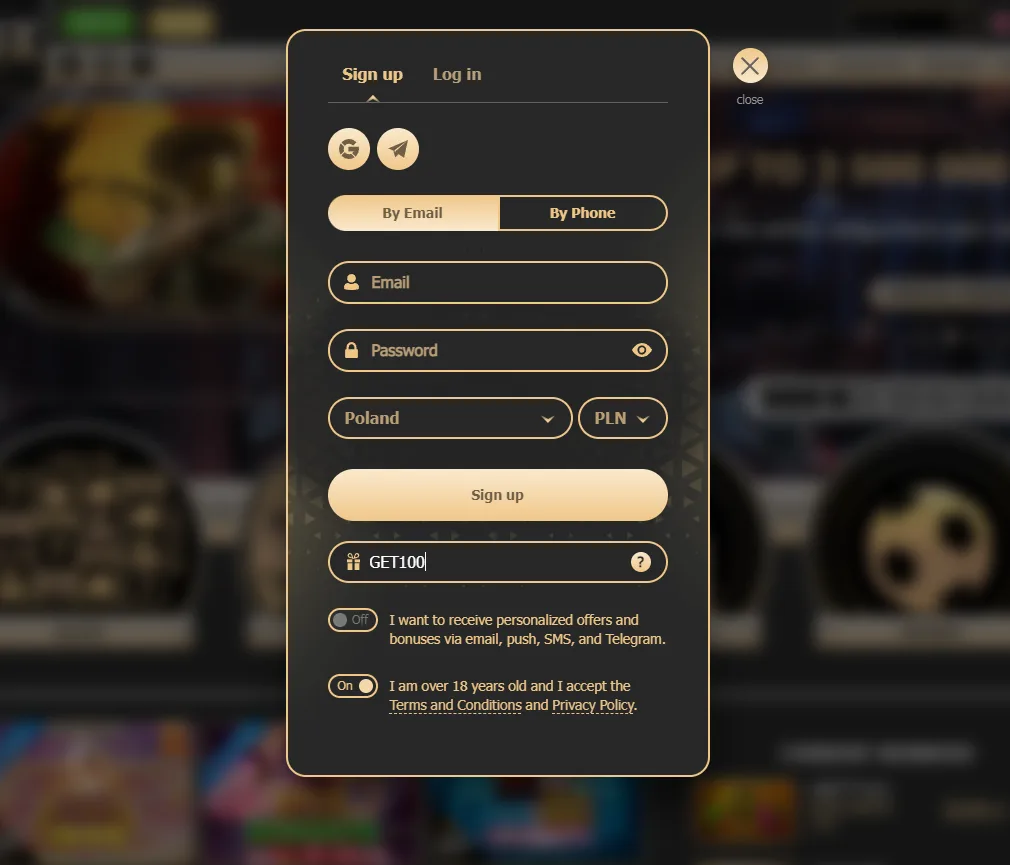
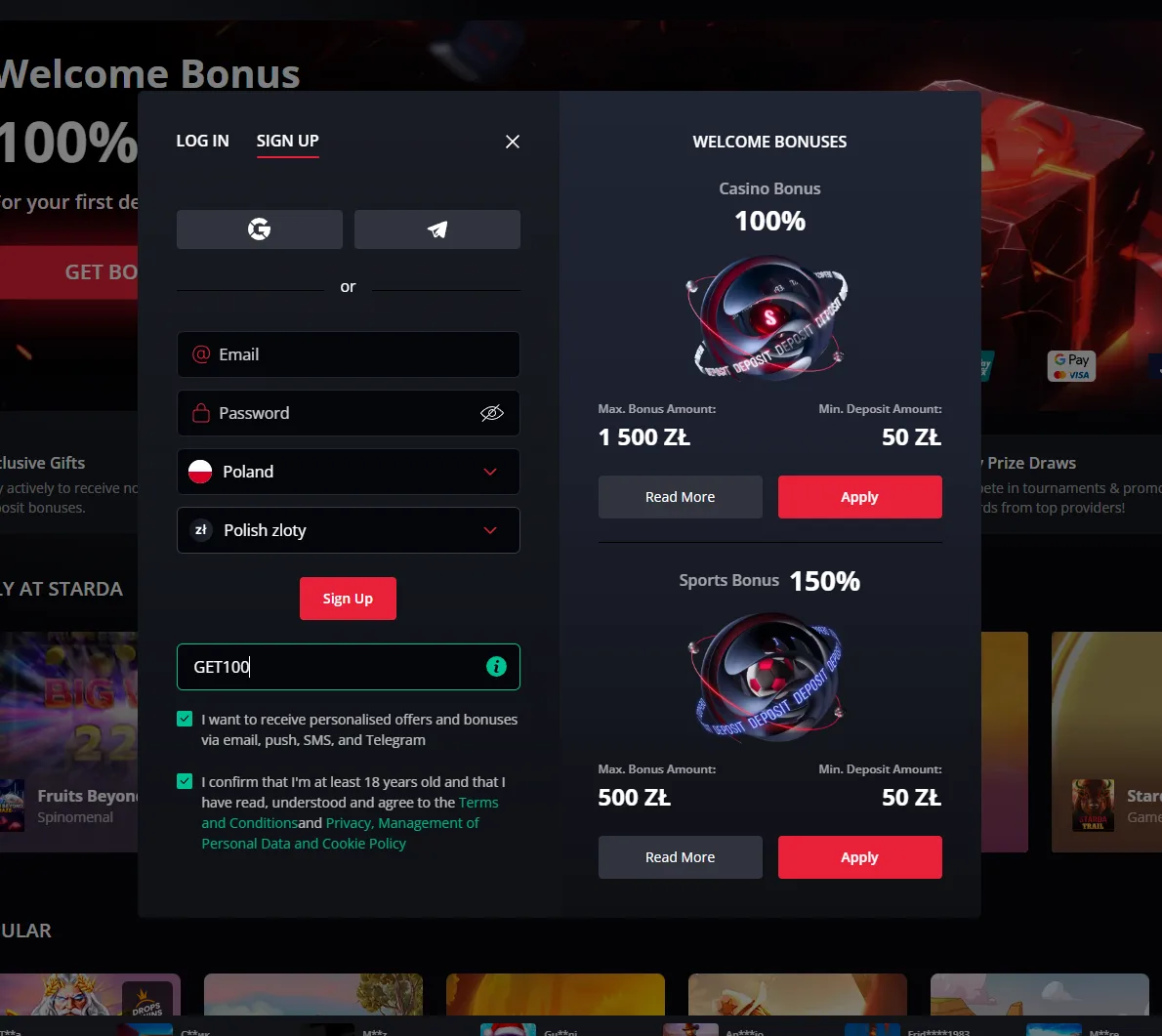
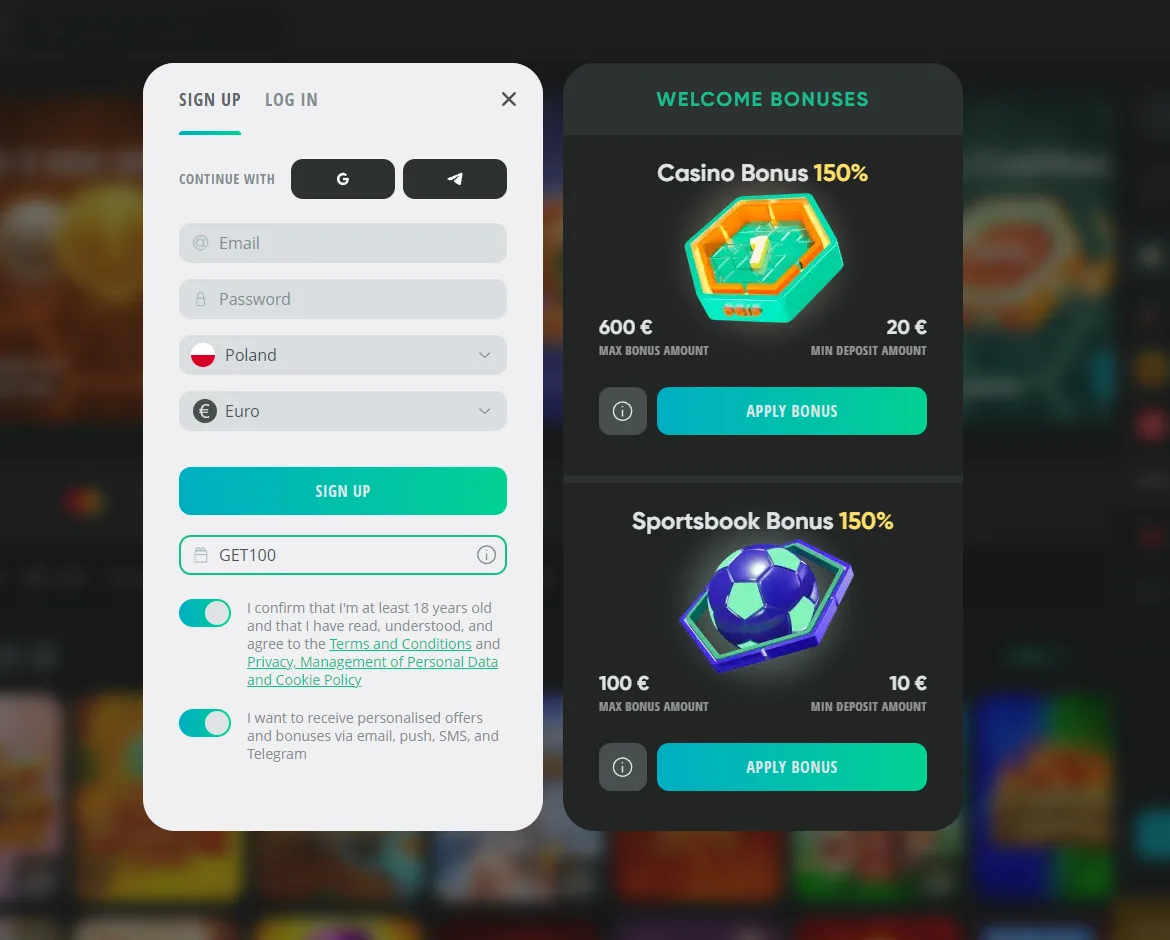
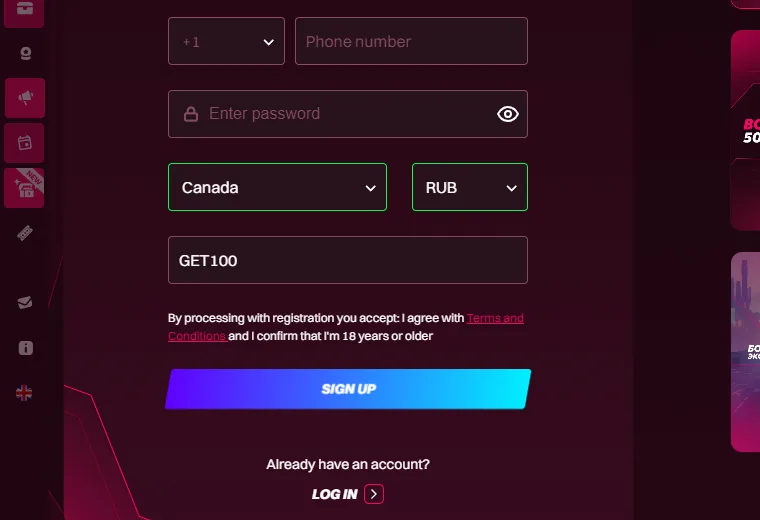
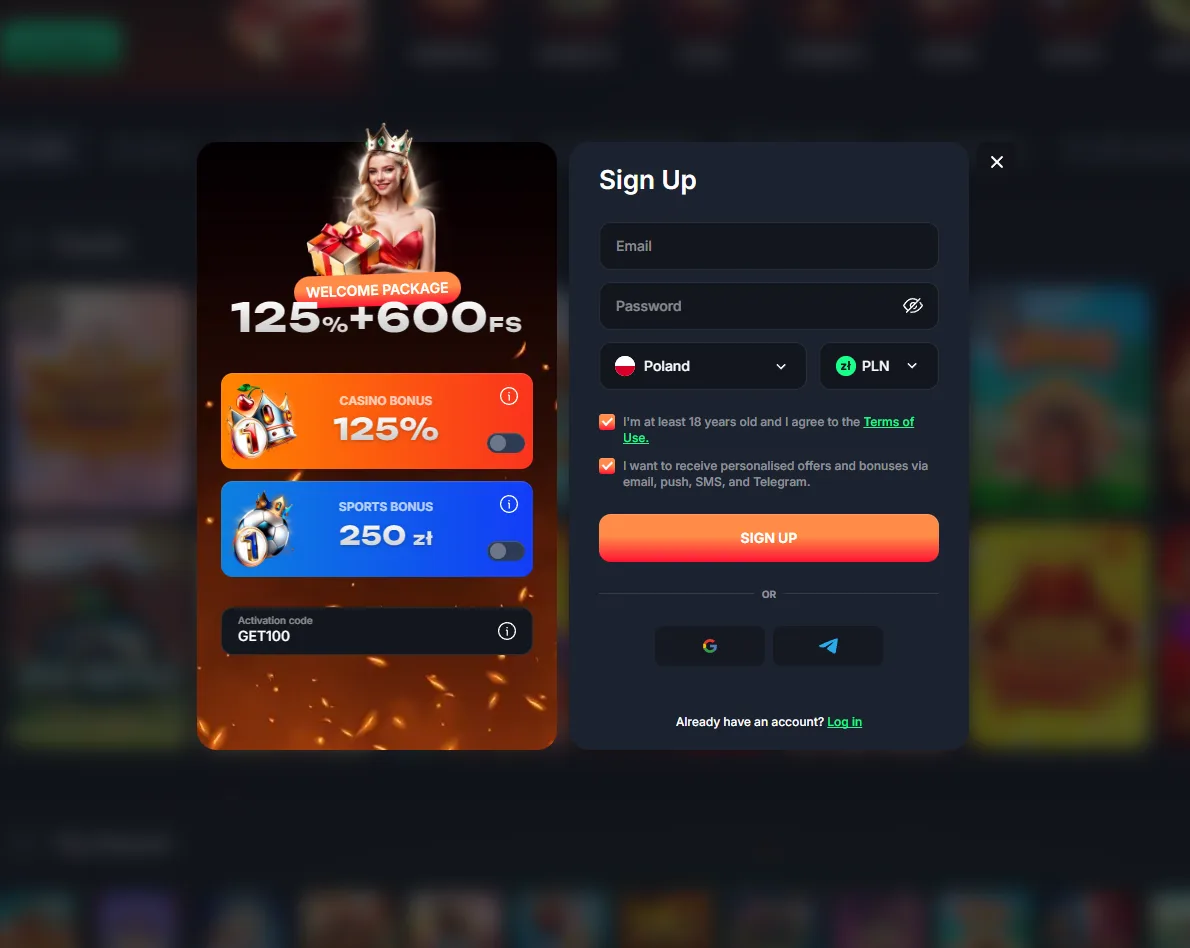
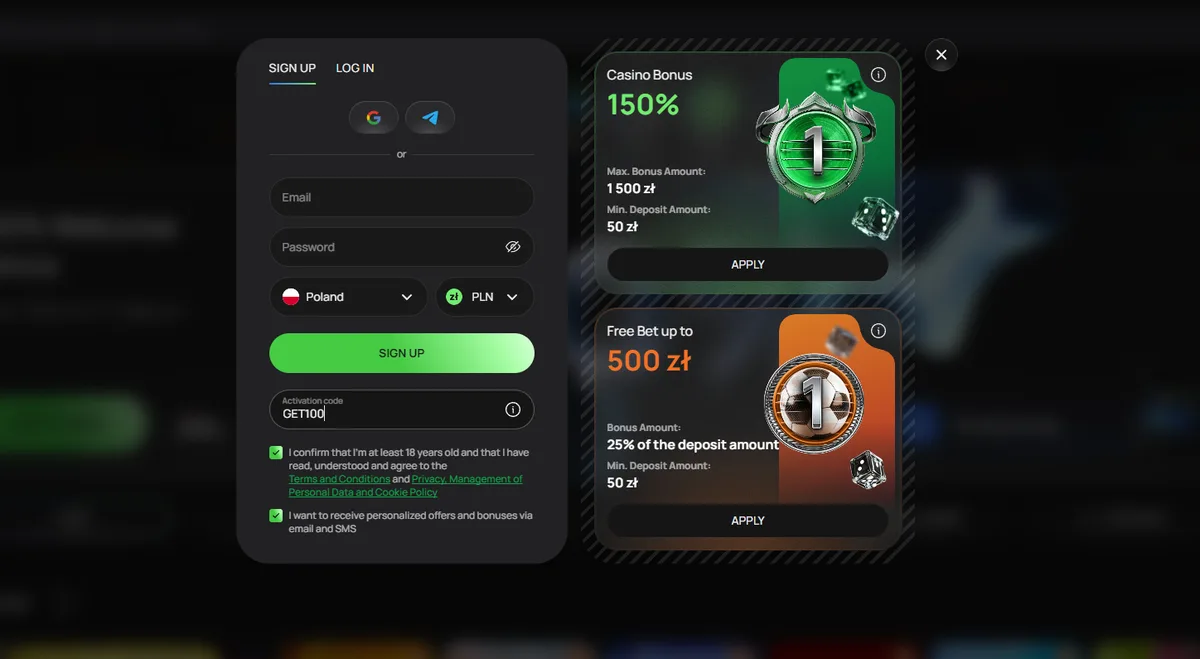
The field with the code in it, and the form's response, are captured as an image and saved with the brand, the code and the date. That file is the evidence, and it is the one shown on this page and the bonus page.
The promotion terms are read for the offer behind the code: the spin count, the slot, the multiplier and its base, the cap, the max bet, the expiry, the restricted countries. Each is printed on the card as read, and where a figure is missing the card says not published.
For the scored brands the team also read the full terms and the cashier rules, put questions to support about the check and the payout, and matched the licence against the regulator's register; the review records the answers. That is the review's method; the code check above is the bonus card's.
A pass is a form that accepts the code with a visible change, a screenshot of that change, and terms that match the card. A fail is any of: a form with no promo field where the terms say there is one; a field that ignores the code or rejects it; an offer in the terms that differs from the card in the count, the slot, the multiplier or the cap; or a brand that has closed the country the check ran from. A fail removes "verified" from the card and adds a line saying what failed; the code stays on the page only if the brand confirms in writing that it is live, marked as confirmed by the brand and not by us. The GET100 string is our partner code, registered with each brand that lists it, and the same string passing at one brand says nothing about another; each is checked on its own form.
Copy codes from other sites, print an aggregator's figures as the brand's, or soften a fail into "may work". A code without a screenshot is a code we have not verified, and the card says so.
Every live code is rechecked on a schedule and whenever a reader reports a bonus not credited, and the date on the card is the last pass. Brands change partner offers without notice, close countries, move the field, and end codes, so a date is the honest unit of verification: a card dated this month is a current claim, and a card dated months ago is a claim about that month. The bonus page for each brand keeps the history of passes and fails, and the not-credited page lists the causes a reader can check before reporting one. The promo code page explains why the same string pays differently at each brand, which is the reason each brand's form is checked separately.
Send the brand, the code, the date and a screenshot of the form's response through the contact page, and the code is rechecked within the next run. A fail we can reproduce comes off the card.
The promo field on each brand's registration form with our code typed in, as captured by the script on the date the bonus page carries. Click to enlarge.
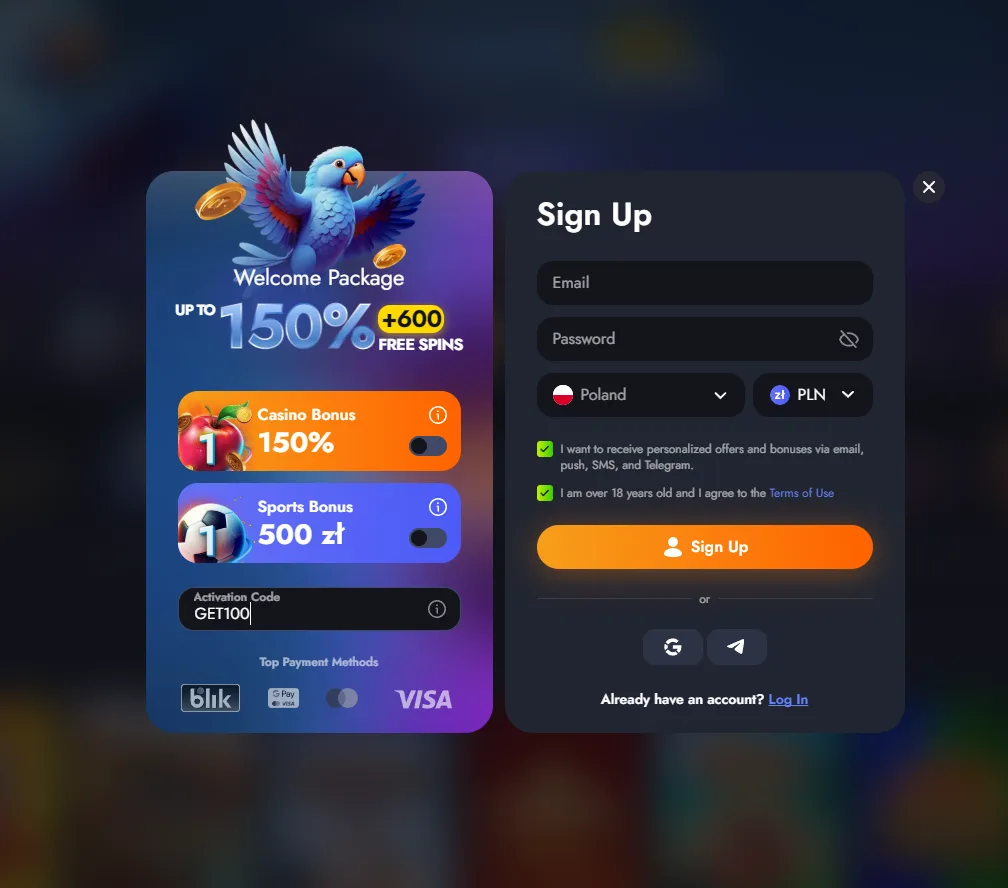
Not for players from: Poland, Hungary, Germany, Czech Republic

Not for players from: Hungary, Latvia, Estonia, Lithuania, Finland, India, Turkey

Not for players from: Germany, Lithuania

Not for players from: Poland, Hungary, Germany, Latvia, Czech Republic, Estonia, Lithuania, Canada, Turkey

Not for players from: Lithuania

Not for players from: Germany
That on the date printed we opened the registration form in a scripted browser from a clean profile, typed the code into the promo field, and the form accepted it, and that a screenshot of the field with the code in it was saved. The offer behind the code was then read from the promotion terms on the same day.
So the check is the same every time and can be repeated: the same steps, a fresh profile with no cookies, the same screenshot of the same field. A person clicking through forms forgets steps and reuses sessions; a script does not, and its output is a file with a date.
The form ignores the code, rejects it with a message, or has no promo field where the terms say one exists; or the terms behind the code have stopped matching the card. A fail takes the code off the card until it passes again, and the bonus page says the offer is unverified.
On a schedule for every live code and whenever a reader reports a code not credited. The date on the card is the last pass. A card older than a few weeks is worth reading with the date in mind, and the bonus page carries the history.